
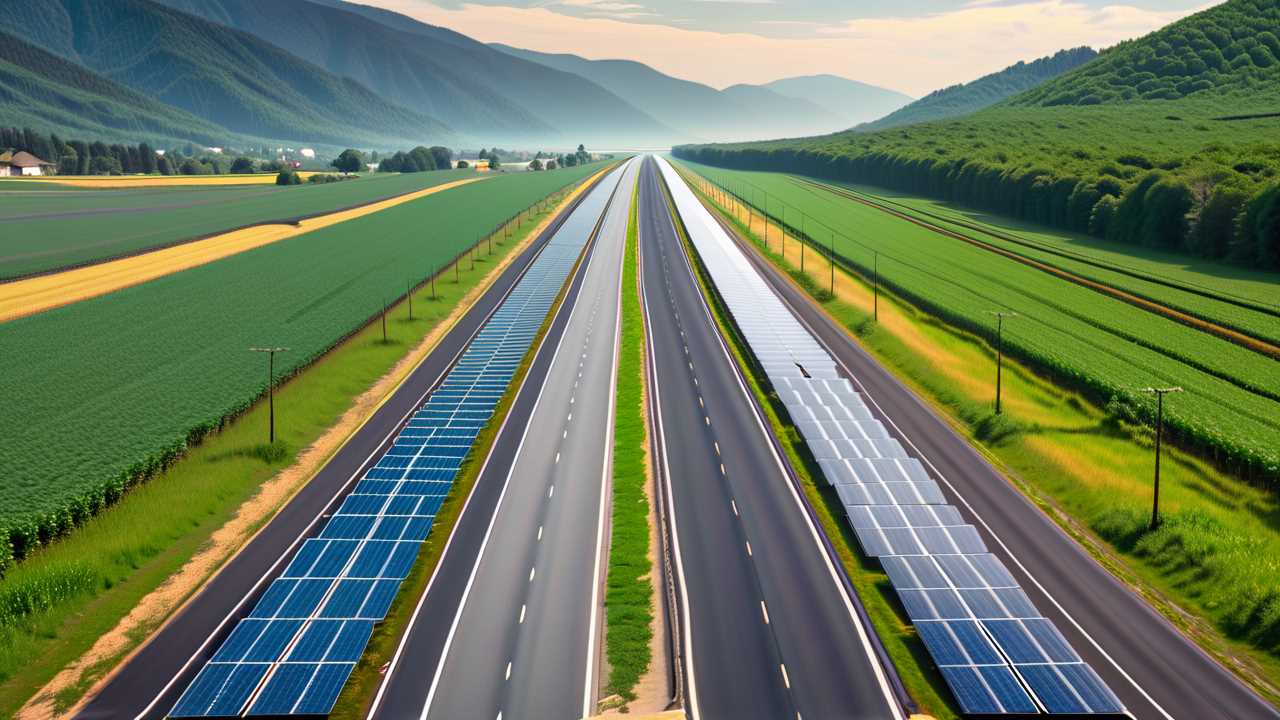
Transforming Roads into Energy Powerhouses
Photovoltaic energy has been a prominent player in the renewable energy sector for years, often used to power tunnels and roadside rest areas in the automotive industry. However, a new project is set to take this technology to the next level, introducing the world’s first photovoltaic highway.
Pushing Boundaries with the Austrian Institute of Technology
The Austrian Institute of Technology (AIT) is pioneering this groundbreaking project, which aims to incorporate photovoltaics into roads in an entirely novel way. This initiative is not only a significant leap in solar energy application but also a potential game-changer in maximising the benefits of this renewable energy source.
Converting Traditional Roads into Sustainable Networks
The AIT team is striving to transform traditional road infrastructure into a smart, sustainable network. The vision is to make every stretch of road serve a dual purpose – a means of transport and an active source of clean, renewable energy, particularly beneficial for electric car drivers.
Financial Backing for the PV-SÜD Project
The PV-SÜD project is financially supported by a collaboration of various entities, including the German Federal Ministry for Climate Action, Environment, Energy, Mobility, Innovation and Technology, the Austrian Research Promotion Agency (FFG), the German Federal Ministry of Transport, and the Swiss Federal Road Office.
Initial Goals and Challenges
The initial phase of this ambitious project involves creating an innovative solar roof design that not only captures the sun’s energy but also provides optimal protection and functionality. The team will meticulously select modules and structures to ensure maximum resistance against potential environmental conflicts in the area.
Ensuring Safety and Community Well-being
Traffic safety remains a top priority, with measures and devices being implemented to safeguard drivers and pedestrians. This project signifies a major step forward in renewable energy generation and a commitment to the safety and well-being of the community.
Cost Competitiveness and Ease of Maintenance
To ensure cost competitiveness, the system must be easy to operate and maintain. This involves not just initial management, but also consideration of maintenance ease throughout its lifetime. The project aims to use efficient technologies and maintenance practices to reduce operating costs and maximise energy availability.
Adding Value to Roads and Extending Pavement Life
Manfred Haider, a project leader at AIT’s Mobility Systems Centre, believes that solar canopies should not only meet energy generation expectations, but also add value to roads. This approach could potentially extend the life of the pavement by protecting it from extreme conditions such as overheating and precipitation, reducing traffic noise, and offering additional benefits to the community and the environment.
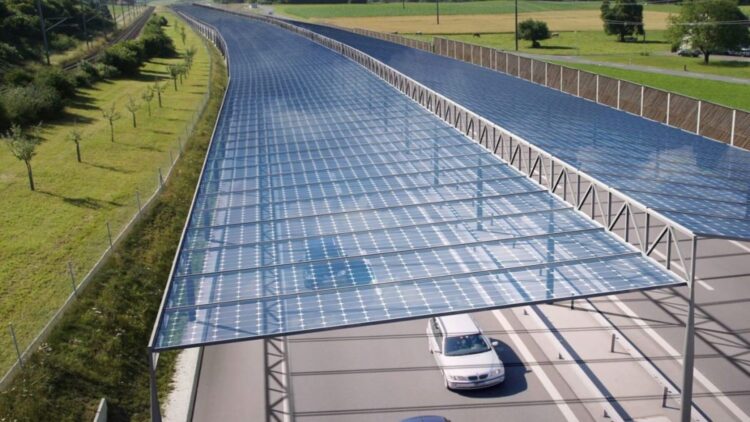
A Significant Advance in Solar Energy Integration
The first photovoltaic highway is a major step forward in integrating solar energy into road infrastructure. Led by the Austrian Institute of Technology (AIT), this project aims to transform roads into active sources of clean, renewable energy generation.
